Success message
Error message
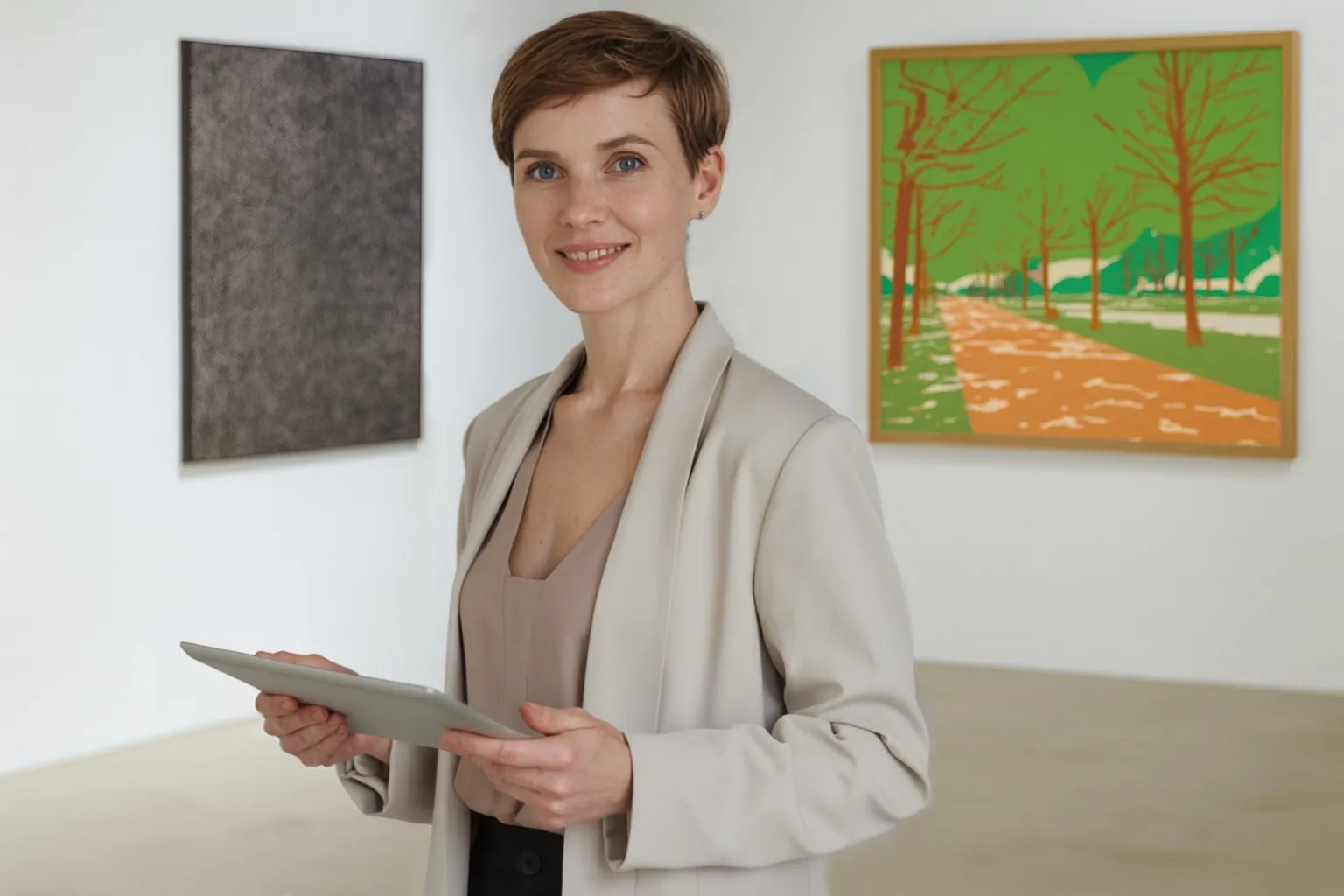
Good morning, Fanny. The Department of Rejected Artists is such an interesting idea. What inspired its creation?
Good morning, and thank you. The idea came from wanting to question how the art world defines success. Many talented artists don’t fit current trends or gallery expectations. We wanted to give them a space to show their work proudly—not as outsiders, but as innovators who follow their own path.
What kind of artists do you feature?
We look for artists who dare to be different—those who tell unique stories and create from honesty, not fashion or profit. We value originality, even when it breaks the rules.
How is this department changing the art world?
I think it reminds people that art should be diverse and open. By showing rejected artists, we ask the art world to look again at what makes something “worthy.” We want to expand how people define creativity and value in art.
Can you tell us about some artists who have stood out to you?
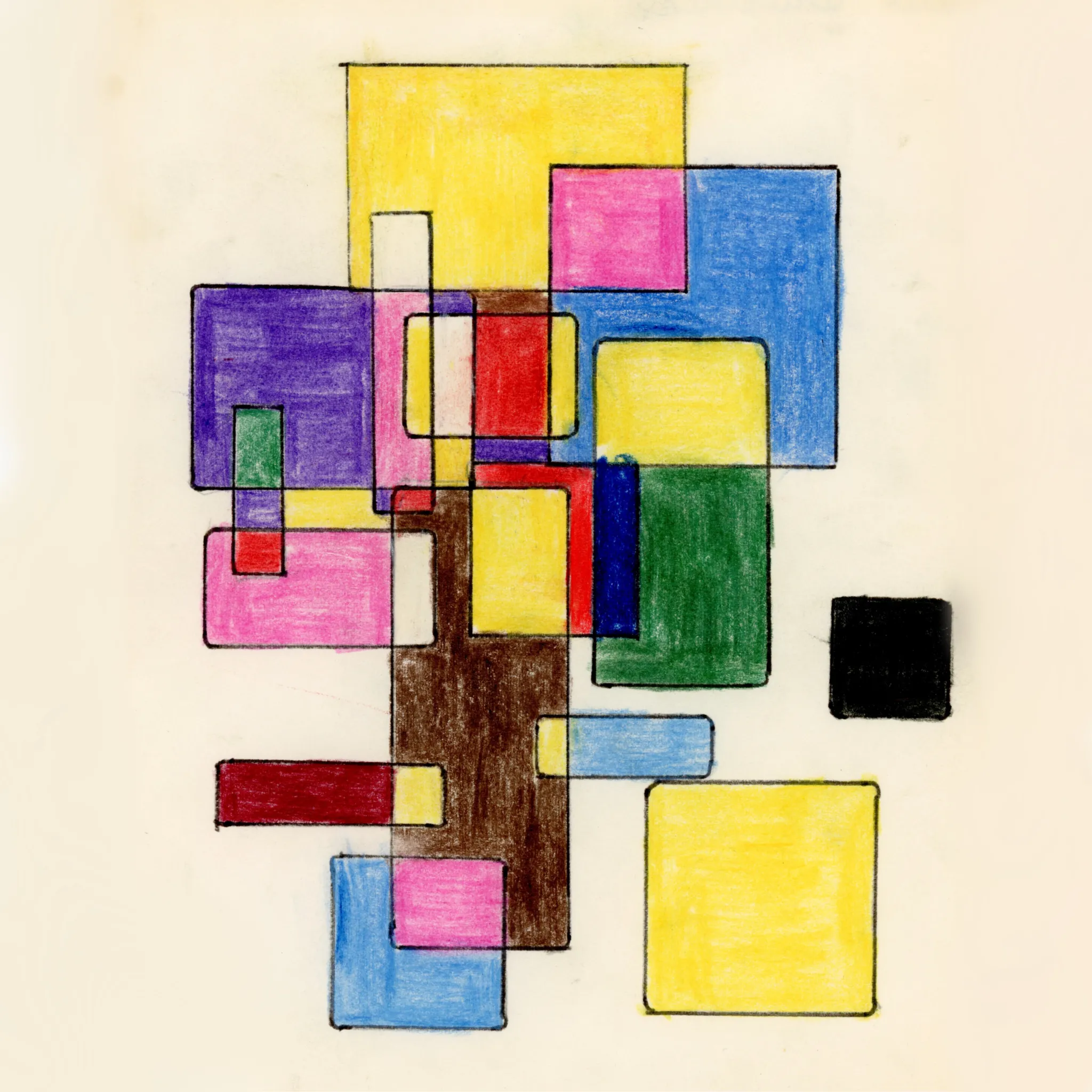
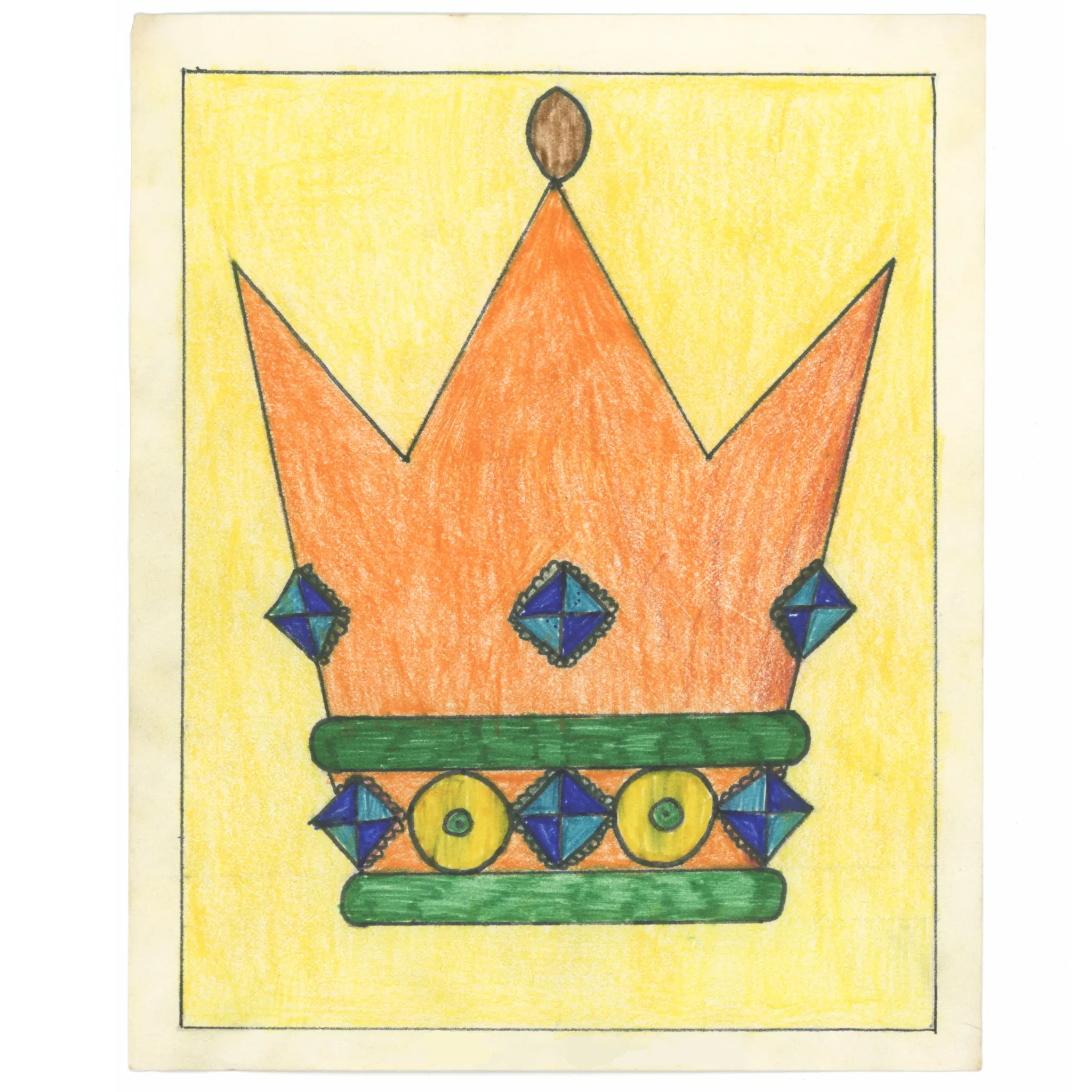
Yes. Sofie Meulenaere’s hypnosis-induced series “Through a Child’s Eyes” is a touching look at memory and childhood. She uses crayons—a child’s tool—to explore complex ideas. Her work reminds us of the pure creativity we often lose as adults.
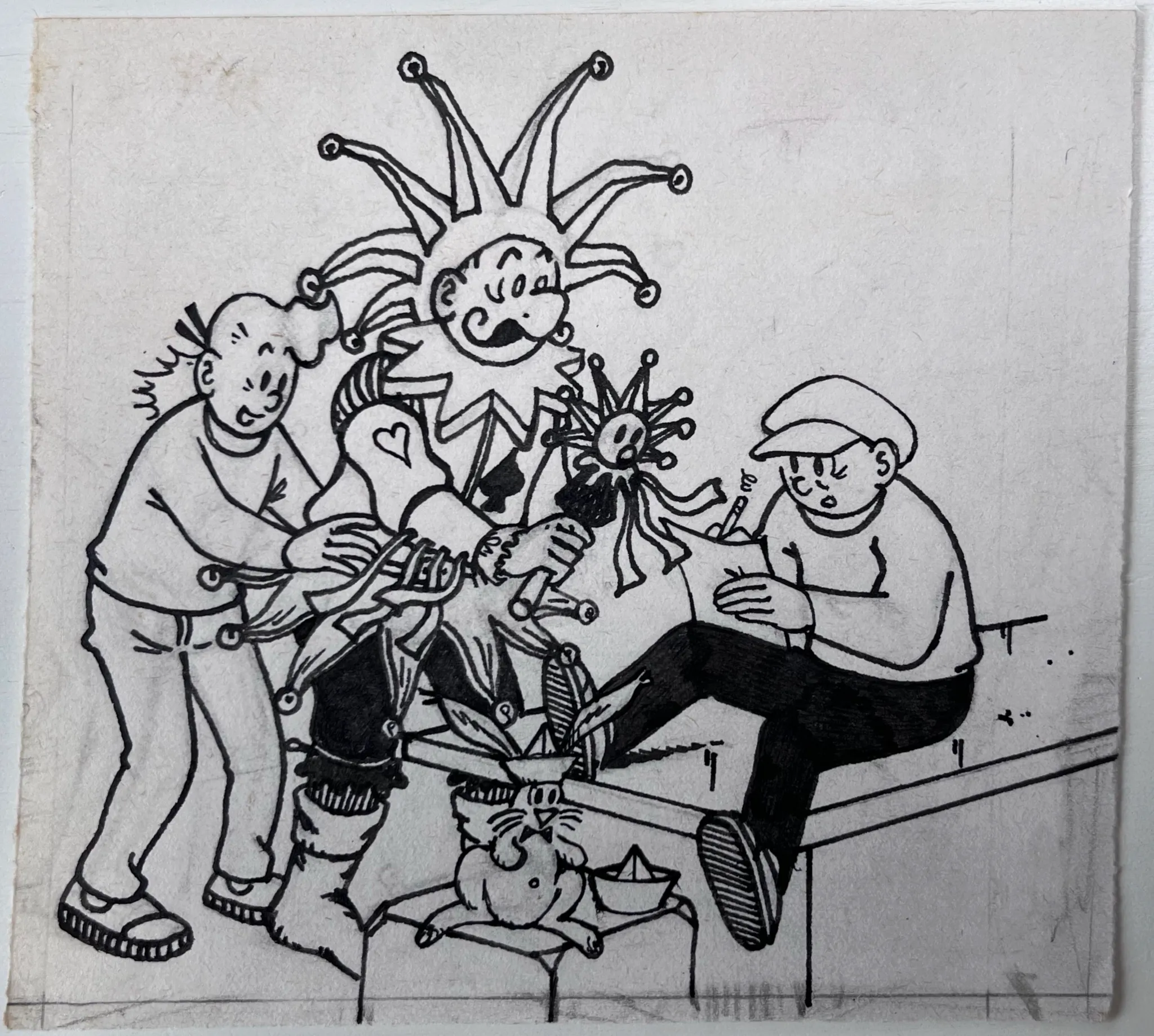
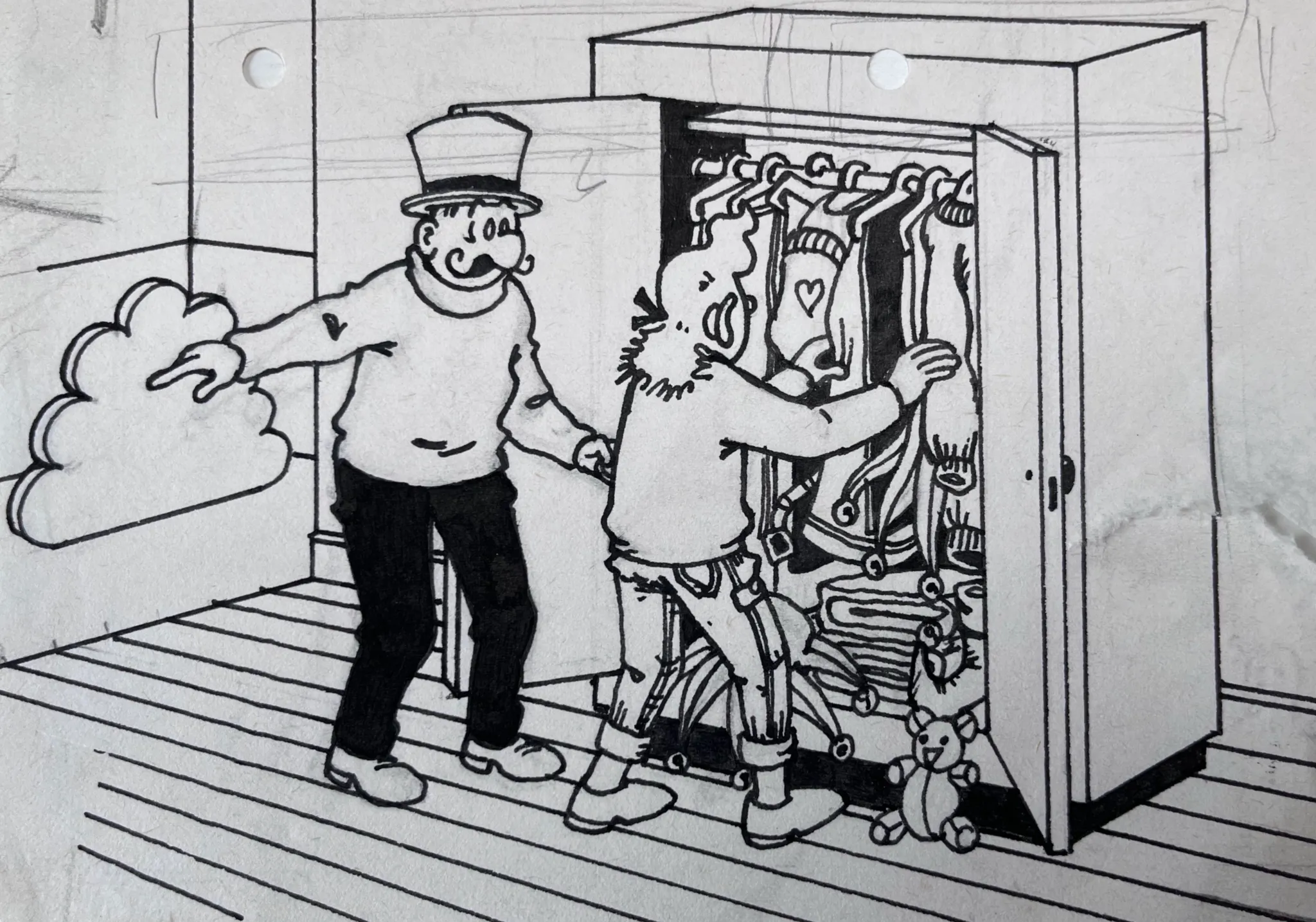
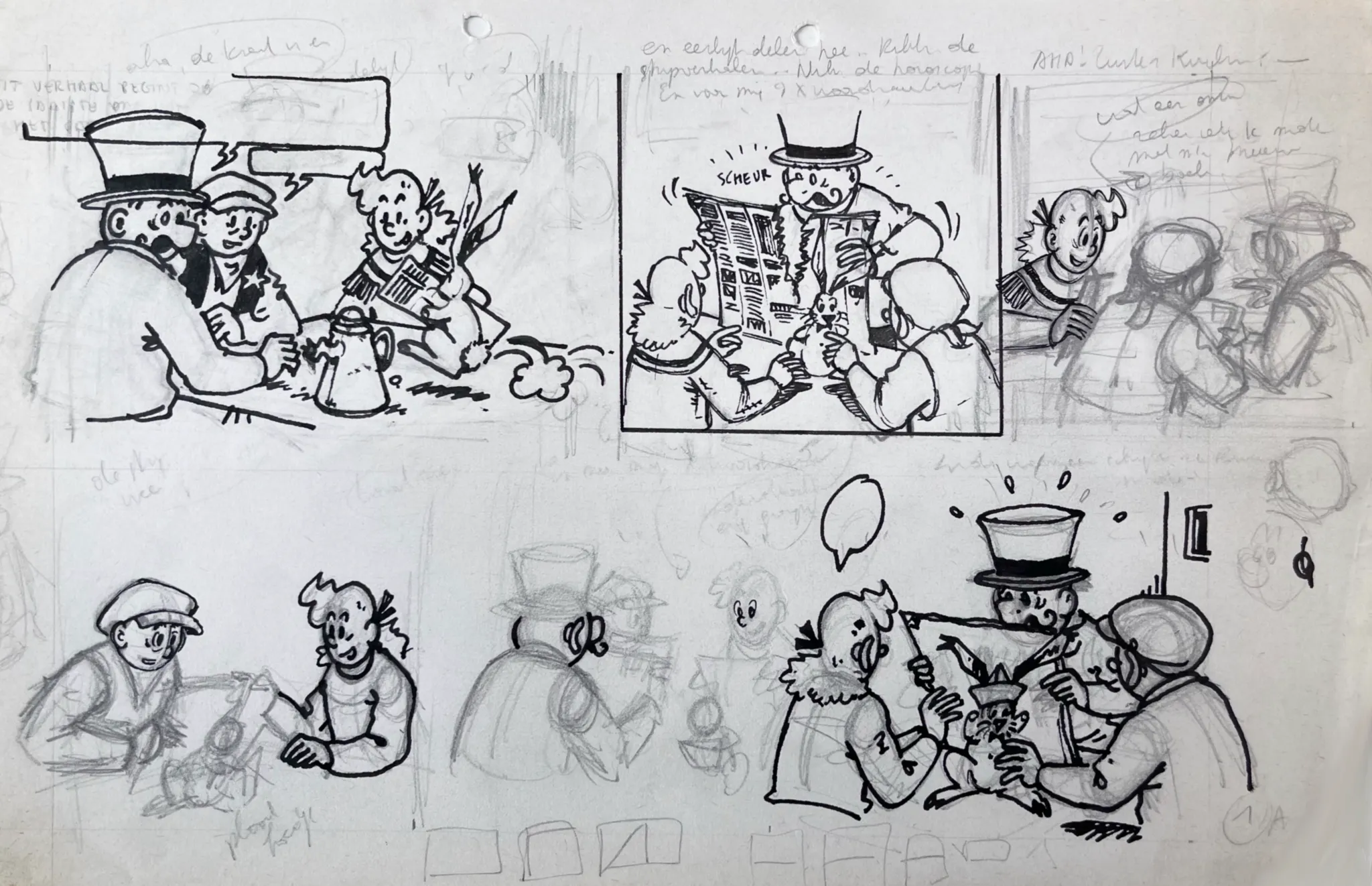
Another example is Pieter Jansens. For more than 30 years, he’s been working on a comic he never plans to publish. He creates only for himself, which raises powerful questions about why artists make art and whether recognition really matters.
What about performance artists like Svej Evfsjodly?
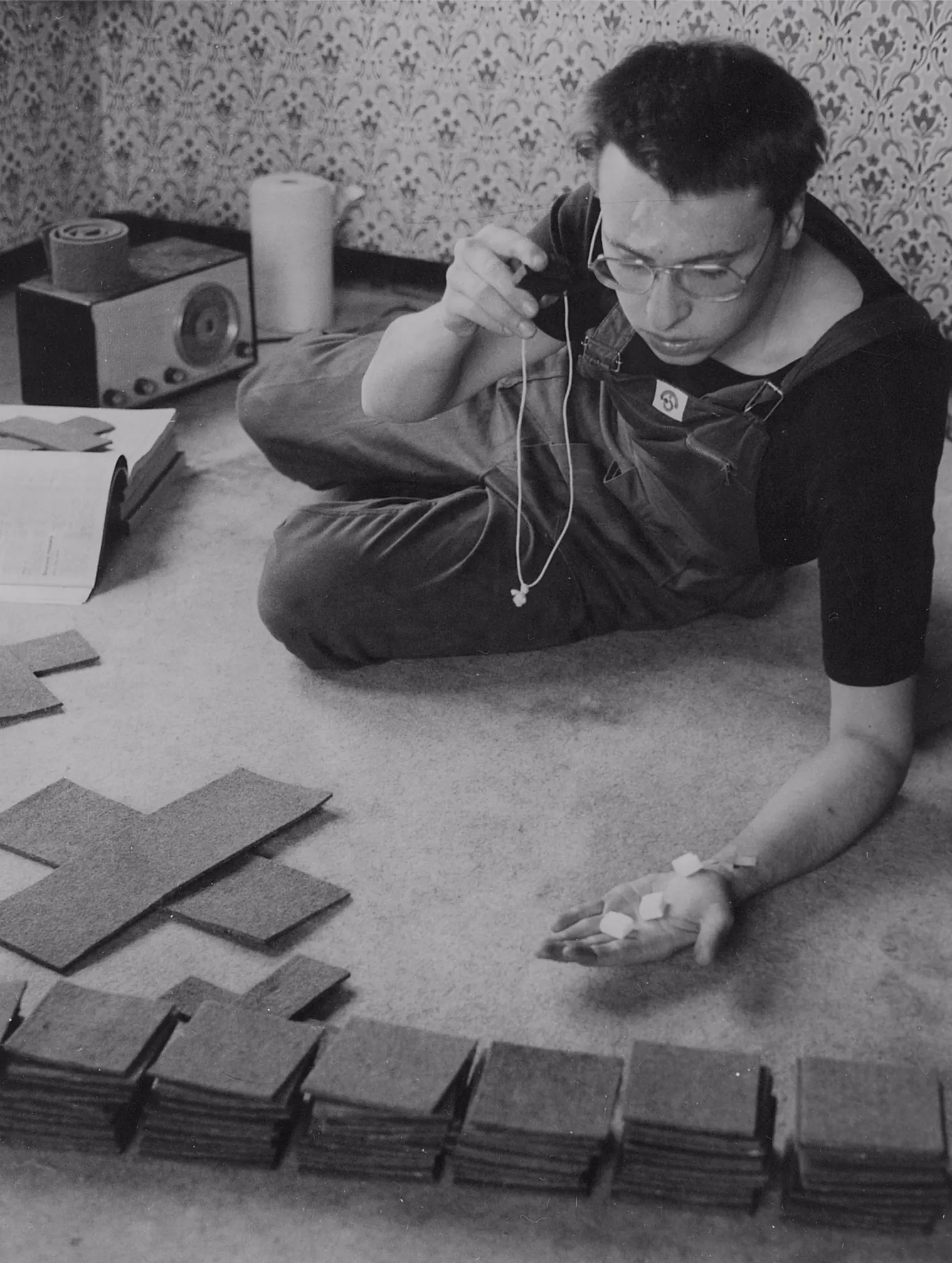
Svej’s piece “TELEFONO” has caused a lot of discussion about what performance art means. By mixing spirituality with unusual ways of communicating, he makes us rethink how we connect with others. Some find it strange; others find it profound. That’s exactly the kind of conversation we want to inspire.
Do these different approaches support your mission?
Completely. Whether it’s childhood memories, private projects, or avant-garde performances, each artist shows another side of human creativity. They remind us that art doesn’t need to follow rules—it just needs to express something real.
How do you see the department’s future?
We want to keep growing and discovering. Our goal is to keep challenging ideas about what belongs in museums. By embracing the unusual and the overlooked, we hope to build a more inclusive and open-minded art community.
What do you hope visitors take away from their (online) visit?
I hope they leave seeing art in a new light. I want them to question what “success” really means and to feel inspired by artists who create for themselves, not for approval. True art, to me, is about honesty and courage—and there should always be a place for that.
Thank you, Fanny, for sharing your thoughts and passion.
Thank you. It’s been a pleasure to talk about this project and the incredible artists who make it possible.